
Bio potash for lemon tree cultivation is a potassium-rich organic fertilizer derived from molasses that enhances flowering, fruit quality, and overall tree vigor when applied during pre-flowering, fruit-setting, and post-harvest phases at recommended dosages of 50-100 grams per tree per application. For Indian citrus growers seeking sustainable soil fertility management, this granulated PDM (Potash Derived from Molasses) product offers a cost-effective alternative to chemical potash while improving soil microbiome health and long-term plant nutrition outcomes.
Lemon trees (Citrus limon) are among the most economically significant fruit crops in India, thriving across diverse agro-climatic zones from Punjab to Kerala. However, achieving consistent high yields with premium fruit quality demands precise nutrient management – particularly potassium, which governs critical physiological processes including photosynthate translocation, water regulation, enzyme activation, and fruit sugar accumulation. While synthetic muriate of potash (MOP) has dominated Indian agriculture for decades, a growing body of agronomic research and farmer experience demonstrates that bio potash for lemon tree applications delivers comparable – and often superior – results when integrated into a holistic plant nutrition program.
This comprehensive guide draws upon established horticultural science, regional cultivation practices across Maharashtra, Gujarat, Andhra Pradesh, and Tamil Nadu, and practical field applications to provide Indian gardeners and commercial growers with actionable, season-specific recommendations for maximizing lemon productivity using molasses-derived bio potash granules.
What is Bio Potash and Why Lemon Trees Need It
Bio potash refers to potassium-rich organic fertilizers produced through biological processes rather than chemical extraction. Unlike conventional muriate of potash (KCl) or sulfate of potash (K2SO4) mined from evaporite deposits, bio potash leverages organic waste streams – particularly molasses, a byproduct of sugarcane processing – as the primary potassium source. This distinction matters profoundly for lemon tree cultivation because the form of potassium, its accompanying organic matrix, and its interaction with soil biology directly influence nutrient availability, root uptake efficiency, and long-term soil fertility.
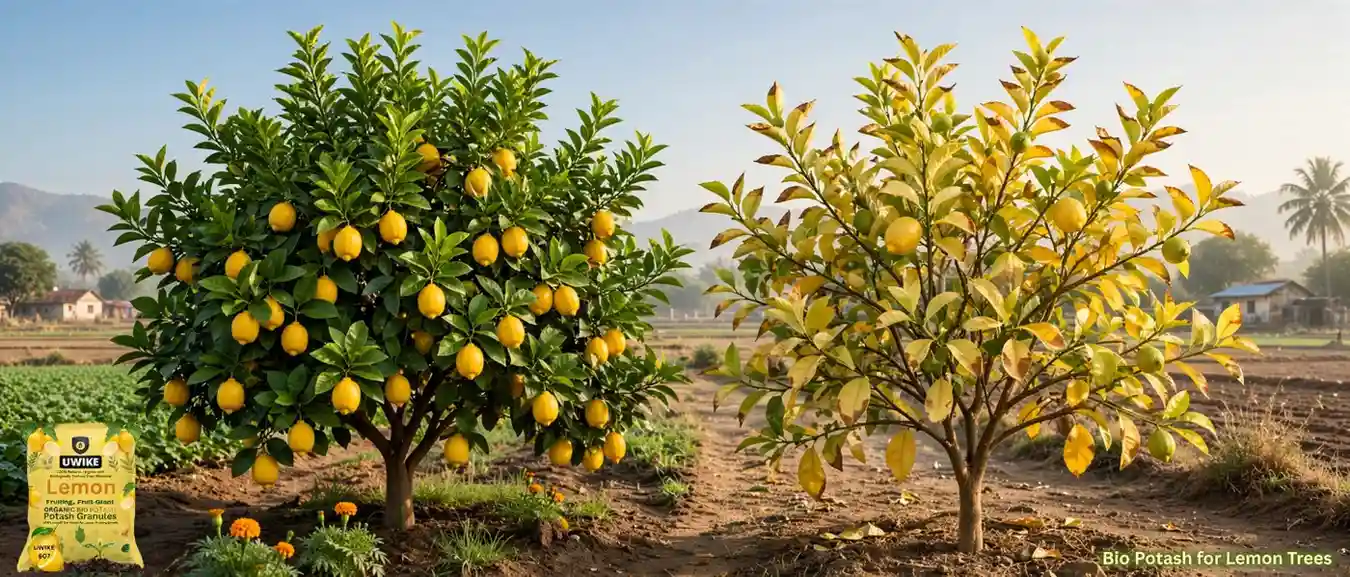
Lemon trees exhibit particularly high potassium demand compared to other macronutrients. Research conducted by the Indian Council of Agricultural Research ICAR-Central Citrus Research Institute, Nagpur indicates that citrus trees remove approximately 1.5-2.0 kg of potassium per tonne of fruit harvested. Given that a mature lemon tree can yield 80-150 kg of fruit annually under optimal management, the potassium extraction rate becomes substantial. When soil potassium reserves deplete – a common scenario in intensively cultivated Indian orchards – trees manifest deficiency symptoms including:
- Chlorotic and necrotic leaf margins, particularly on older foliage
- Reduced fruit size and irregular shape
- Thin fruit peel with poor juice content
- Increased susceptibility to drought stress and pest damage
- Delayed fruit maturity and compromised shelf life
The application of bio potash for lemon tree nutrition addresses these challenges through a dual-action mechanism: immediate potassium availability via water-soluble fractions and sustained release through microbial mineralization of organic-bound potassium. This slow-release characteristic proves especially valuable in India’s varied monsoon patterns, where heavy rainfall can leach soluble nutrients from the root zone.
For growers seeking to understand the foundational science behind this fertilizer category, our detailed guide on what bio potash fertilizer is and how it works provides comprehensive background information.
Understanding PDM: Potash Derived from Molasses
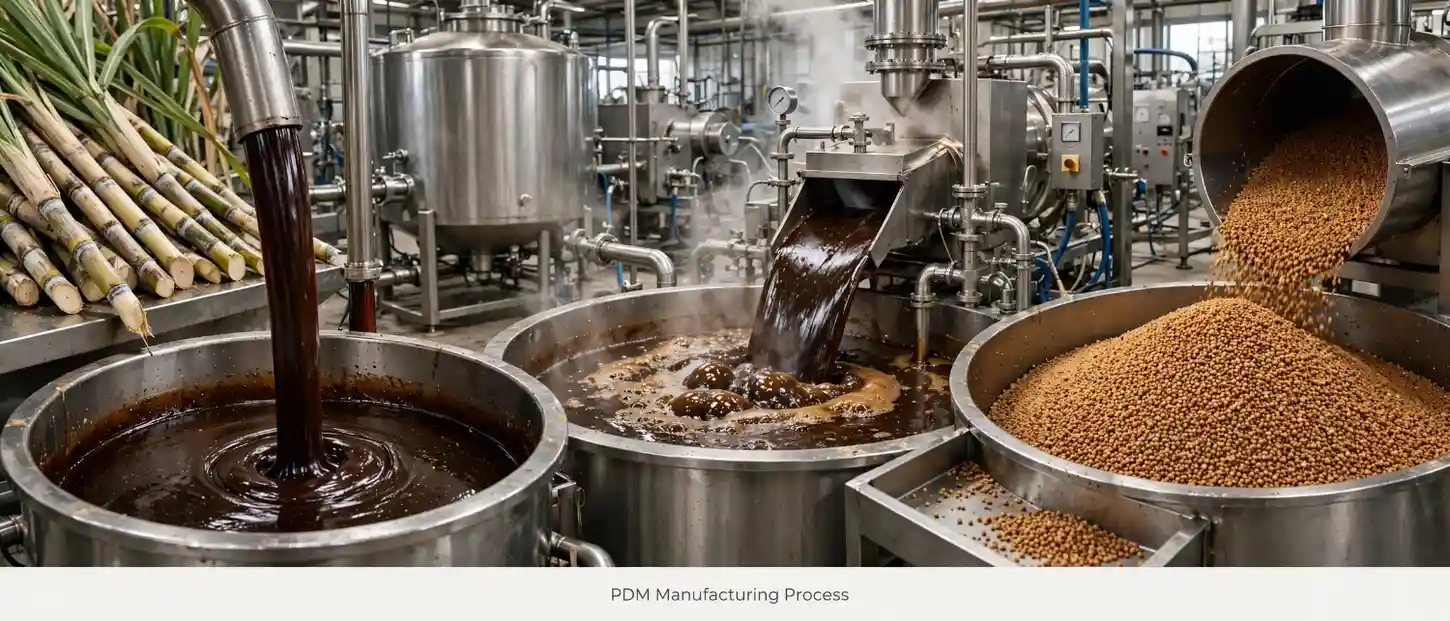
The specific type of bio potash most relevant to Indian lemon cultivation is PDM (Potash Derived from Molasses) – a granulated organic fertilizer manufactured by processing sugarcane molasses, vinasse, and other sugar industry residues. India’s position as the world’s second-largest sugar producer generates enormous quantities of molasses annually, making PDM both economically viable and logistically accessible for domestic agricultural applications.
Manufacturing Process
The production of PDM involves several carefully controlled stages:
- Raw Material Collection: Fresh molasses and vinasse are sourced from sugar mills, ensuring minimal storage time to preserve potassium content
- Concentration and Drying: Liquid molasses undergoes evaporation to increase solids content, followed by spray drying or drum drying
- Granulation: The dried material is processed into uniform granules (typically 2-4 mm diameter) using binding agents such as lignosulfonates or natural gums
- Quality Standardization: Finished product is tested for potassium content (typically 10-14% K2O), moisture levels, pH, and microbial load
Chemical Composition
| Parameter | Typical Range | Significance for Lemon Trees |
|---|---|---|
| Potassium (as K2O) | 10-14% | Primary nutrient for fruit development |
| Organic Carbon | 25-35% | Improves soil structure and microbial activity |
| Nitrogen | 1.5-2.5% | Supports vegetative growth |
| Phosphorus | 0.5-1.0% | Aids root development and flowering |
| Calcium | 2.0-3.5% | Cell wall strength, fruit firmness |
| Magnesium | 0.8-1.5% | Chlorophyll synthesis, enzyme activation |
| pH | 6.5-7.5 | Optimal for most Indian soils |
| Moisture | <10% | Prevents caking, ensures shelf stability |
This balanced nutritional profile distinguishes PDM from straight chemical potash sources. While MOP provides 60% K2O, it contributes nothing to soil organic matter or microbial diversity. PDM, conversely, delivers potassium alongside carbon substrates that fuel beneficial soil microbiota – a critical consideration for long-term orchard sustainability.
For current market pricing and procurement options, refer to our updated resource on bio potash 50 kg price in India.
The Role of Potassium in Lemon Tree Physiology
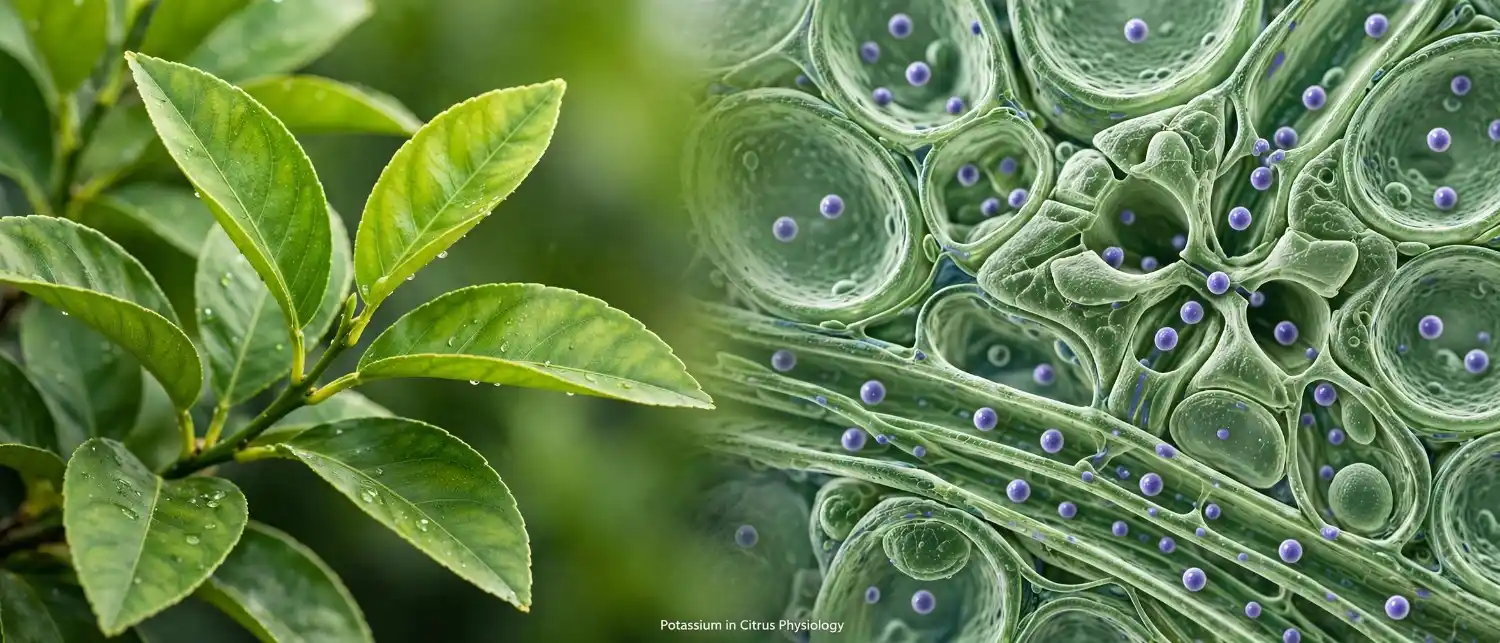
To appreciate why bio potash for lemon tree management deserves priority attention, one must understand potassium’s multifaceted physiological functions. Potassium (K+) is the most abundant cation in plant cells, constituting 2-10% of dry weight, and serves as an activator for over 60 enzymes involved in metabolic processes.
Critical Functions in Citrus
Carbohydrate Metabolism and Transport: Potassium regulates the enzyme pyruvate kinase, which controls glycolysis – the foundational pathway for energy production. More importantly for fruit growers, potassium drives phloem loading, ensuring that photosynthetically produced sugars move efficiently from leaves to developing fruits. Lemon trees with adequate potassium exhibit higher total soluble solids (TSS) and better sugar-acid ratios.
Stomatal Regulation and Water Use Efficiency: Each stoma on lemon leaf surfaces requires potassium influx for opening. Trees with sufficient potassium maintain optimal stomatal aperture, balancing CO2 uptake for photosynthesis against transpirational water loss. In India’s increasingly erratic rainfall patterns, this translates to improved drought resilience.
Protein Synthesis and Amino Acid Activation: Potassium activates tRNA binding to ribosomes during protein synthesis. This directly influences fruit quality parameters including juice protein content and enzymatic activity during ripening.
Disease Resistance: Adequate potassium levels strengthen cell walls and enhance production of phenolic compounds and lignin, creating physical and chemical barriers against fungal pathogens like Phytophthora and bacterial canker.
Fruit Quality Determinants: Potassium accumulation during fruit development correlates positively with:
- Fruit weight and diameter
- Peel thickness and oil gland density
- Juice percentage and viscosity
- Vitamin C content
- Post-harvest storage longevity
Research from the ICAR-Central Citrus Research Institute, Nagpur, demonstrates that potassium-deficient lemon trees produce fruits with 15-25% lower juice content and significantly reduced ascorbic acid levels compared to optimally fertilized counterparts.
Optimal Timing for Bio Potash Application
Timing represents the single most critical factor in bio potash for lemon tree efficacy. Unlike chemical fertilizers that release nutrients rapidly, bio potash requires microbial activity for complete mineralization. Therefore, application schedules must align with both tree phenological stages and favorable soil temperature/moisture conditions that support microbial populations.
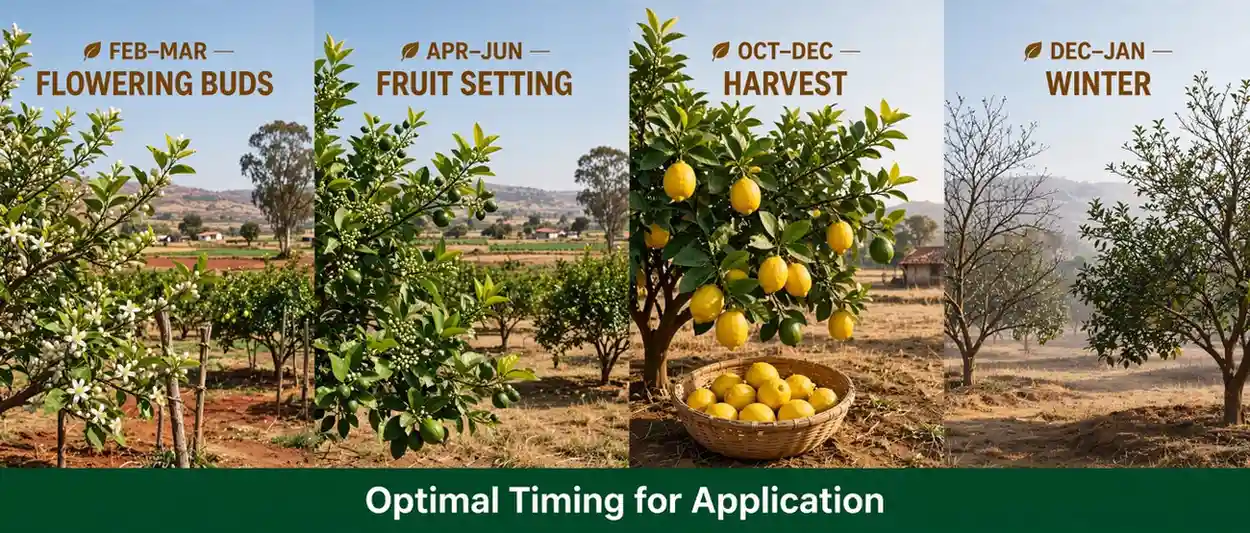
Pre-Flowering Stage (February-March)
As winter transitions to spring across Indian lemon-growing regions, trees enter the critical pre-flowering phase. Bud differentiation initiated during the preceding months now manifests as visible flower bud swelling. This stage demands substantial potassium because:
- Flower bud development requires potassium for cell division and organ formation
- Adequate potassium improves pollen viability and germination rates
- Pre-flowering potassium reserves determine initial fruit set potential
Application Protocol: Apply 60-80 grams of bio potash granules per mature tree, distributed in a circular band 1-1.5 meters from the trunk (drip line zone), followed by light irrigation. For regions experiencing late winter, delay application until soil temperature consistently exceeds 18 degrees C.
Fruit-Setting and Development Phase (April-June)
Following successful pollination, young fruitlets undergo rapid cell division during the initial 6-8 weeks. This period represents peak potassium demand because developing fruits act as strong metabolic sinks, drawing potassium from both soil uptake and leaf remobilization.
Application Protocol: Split the total dose into two applications:
- First split (petal fall stage): 40-50 grams per tree
- Second split (pea-sized fruit stage): 40-50 grams per tree
Space applications 3-4 weeks apart to maintain consistent potassium availability. In regions with pre-monsoon showers, incorporate bio potash just before anticipated rainfall to enhance dissolution and root zone penetration.
Post-Harvest Recovery (August-September)
After the main harvest concludes (typically July-August for summer-bearing varieties, October-November for winter varieties), trees enter a recovery phase. This period focuses on:
- Replenishing carbohydrate reserves depleted during fruit production
- Supporting new vegetative flush development
- Building potassium reserves for the next flowering cycle
Application Protocol: Apply 80-100 grams per mature tree as a single dose. Combine with organic compost or farmyard manure to accelerate microbial colonization and nutrient cycling. This timing coincides with the retreating monsoon in most regions, providing adequate soil moisture for microbial activity without waterlogging risks.
Winter Dormancy Preparation (November-December)
While lemon trees in tropical and subtropical India never enter true dormancy, growth rates slow during cooler months. A light potassium application during this phase serves multiple purposes:
- Strengthens cell walls before potential winter temperature dips
- Enhances tree cold tolerance in northern regions
- Prepares carbohydrate reserves for spring flush
Application Protocol: Apply 30-40 grams per tree, focusing on young trees and those showing marginal leaf chlorosis. Avoid heavy applications during this period as reduced microbial activity limits mineralization efficiency.
Recommended Dosage Guidelines for Lemon Trees
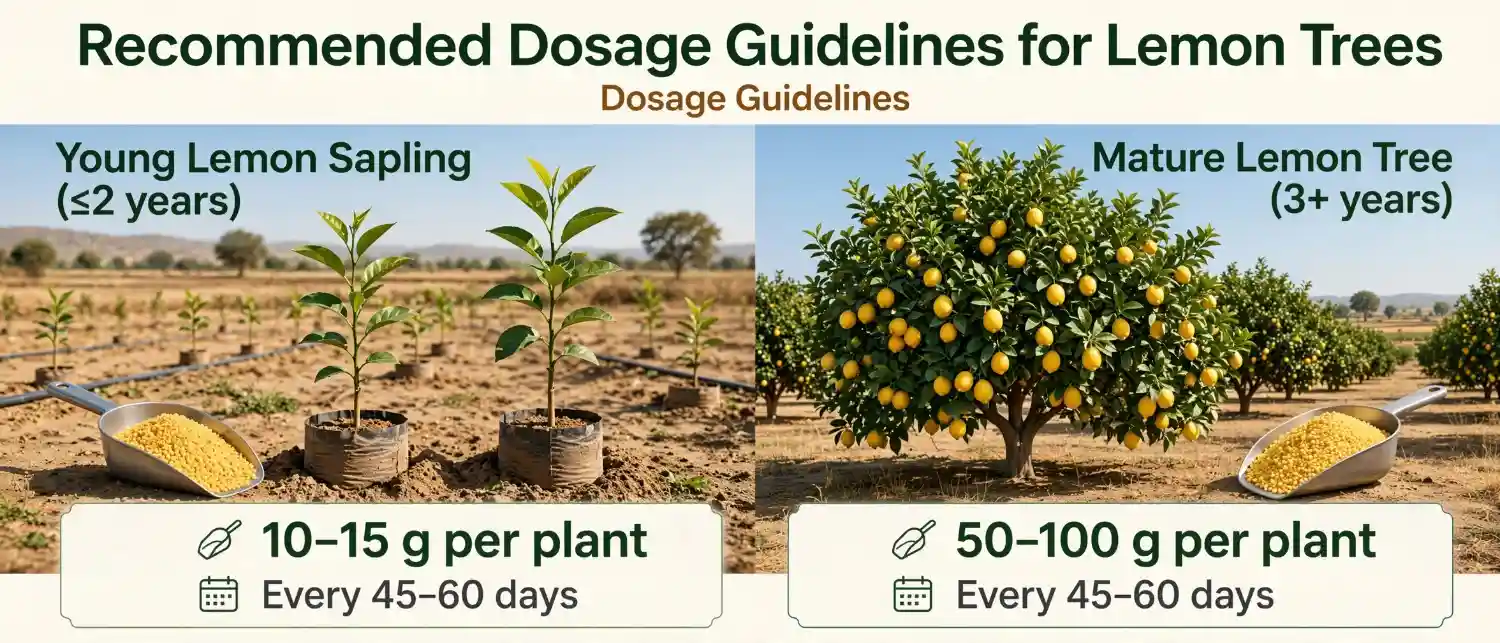
Determining precise bio potash for lemon tree dosage requires consideration of tree age, canopy size, soil potassium status, and productivity goals. The following guidelines represent general recommendations that should be adjusted based on soil test results and local agronomic advice.
Young Trees (1-3 Years)
| Age | Canopy Spread | Annual Bio Potash Dose | Application Schedule |
|---|---|---|---|
| Year 1 | <1 meter | 100-150 grams total | 3 splits of 30-50g each |
| Year 2 | 1-1.5 meters | 200-300 grams total | 3 splits of 70-100g each |
| Year 3 | 1.5-2 meters | 400-500 grams total | 3 splits of 130-170g each |
For young trees, bio potash serves dual purposes: immediate potassium nutrition and soil conditioning. The organic matter component proves particularly valuable in establishing robust root systems and beneficial rhizosphere microbiomes that support long-term tree health.
Mature Bearing Trees (4+ Years)
| Tree Condition | Annual Bio Potash Dose | Split Applications |
|---|---|---|
| Light bearer (<50 kg fruit) | 300-400 grams | 3-4 splits |
| Moderate bearer (50-100 kg) | 400-600 grams | 3-4 splits |
| Heavy bearer (>100 kg) | 600-800 grams | 4 splits |
| Showing K deficiency symptoms | 800-1000 grams | 4-5 splits |
Mature trees benefit most from split applications that match potassium supply with demand curves. The total annual dose typically equals 40-60% of what would be applied as chemical MOP, reflecting bio potash’s superior utilization efficiency and reduced leaching losses.
High-Density Plantations
Modern high-density lemon plantations (400-600 trees per hectare) require adjusted calculations:
- Per hectare annual requirement: 200-300 kg bio potash
- Application method: Fertigation or broadcasting between tree rows
- Frequency: Monthly applications during active growth periods
- Combination: Integrate with drip irrigation systems for precision delivery
For comprehensive guidance on bio potash granule specifications and application techniques, consult our bio potash granules guide.
Step-by-Step Application Methods
Proper application technique determines how effectively bio potash for lemon tree nutrition translates into measurable productivity gains. Three primary methods suit different orchard scales and infrastructure levels.
Soil Application Technique
This traditional method remains the most widely applicable across Indian farming contexts:
1: Site Preparation
- Clear weeds and debris from the basin area extending to the tree drip line
- Loosen topsoil lightly (5-10 cm depth) using a hoe or cultivator
- Ensure soil moisture is adequate but not saturated
2: Fertilizer Distribution
- Measure the calculated dose accurately using a weighing scale
- Distribute granules uniformly in a circular band 0.8-1.2 meters from the trunk
- Avoid placing fertilizer directly against the trunk to prevent bark damage
3: Incorporation
- Lightly mix granules into the topsoil using a rake or hoe
- Depth of incorporation: 5-8 cm for optimal root contact
- Do not bury too deeply as microbial activity concentrates in upper soil layers
4: Irrigation
- Apply 15-20 liters of water per tree immediately after application
- For drip-irrigated orchards, run the system for 30-45 minutes
- Avoid heavy irrigation that could cause surface runoff on sloping terrain
5: Mulching (Optional but Recommended)
- Apply 5-10 cm organic mulch (straw, dried leaves, or compost) over the treated area
- Mulch conserves moisture, moderates soil temperature, and accelerates microbial breakdown
Fertigation Protocols
For orchards equipped with drip or micro-sprinkler irrigation, fertigation offers precision and labor savings:
Preparation: Dissolve bio potash granules in water at a ratio of 1:10 (1 kg granules in 10 liters water). Allow 2-4 hours for partial dissolution and filtration through a mesh screen to prevent emitter clogging.
Injection: Introduce the solution into the irrigation system using a venturi injector or fertilizer tank. Maintain injection rates that deliver the calculated dose over 30-60 minutes of irrigation runtime.
Timing: Schedule fertigation during the middle third of the irrigation cycle – after lines have pressurized and before the final flush phase. This ensures uniform distribution and prevents nutrient accumulation at line ends.
Frequency: Weekly applications of smaller doses (20-30% of monthly requirement) provide more consistent nutrient availability than monthly bolus applications.
Foliar Spray Combinations
While soil application remains primary, foliar supplementation can address acute deficiencies or support critical growth stages:
Preparation: Dissolve 15-20 grams bio potash per liter of water. Add a few drops of biodegradable wetting agent to improve leaf adhesion. Filter through fine cloth to prevent nozzle blockage.
Application Timing: Early morning (6-8 AM) or late afternoon (4-6 PM) when stomata are open and evaporation rates are low. Avoid application during peak sunlight hours.
Coverage: Thoroughly wet both leaf surfaces, particularly young expanding leaves that exhibit higher nutrient absorption capacity. Apply 2-3 liters of solution per mature tree.
Frequency: Maximum 2-3 foliar applications per growing season, spaced 3-4 weeks apart. Foliar potassium supplements but does not replace soil application.
For detailed information on bio potassium fertilizer composition and specialized formulations, explore our resource on bio K fertilizer explained.
Expected Results and Timeline
Setting realistic expectations helps growers evaluate bio potash for lemon tree program effectiveness and make timely adjustments. Results manifest across different time horizons.
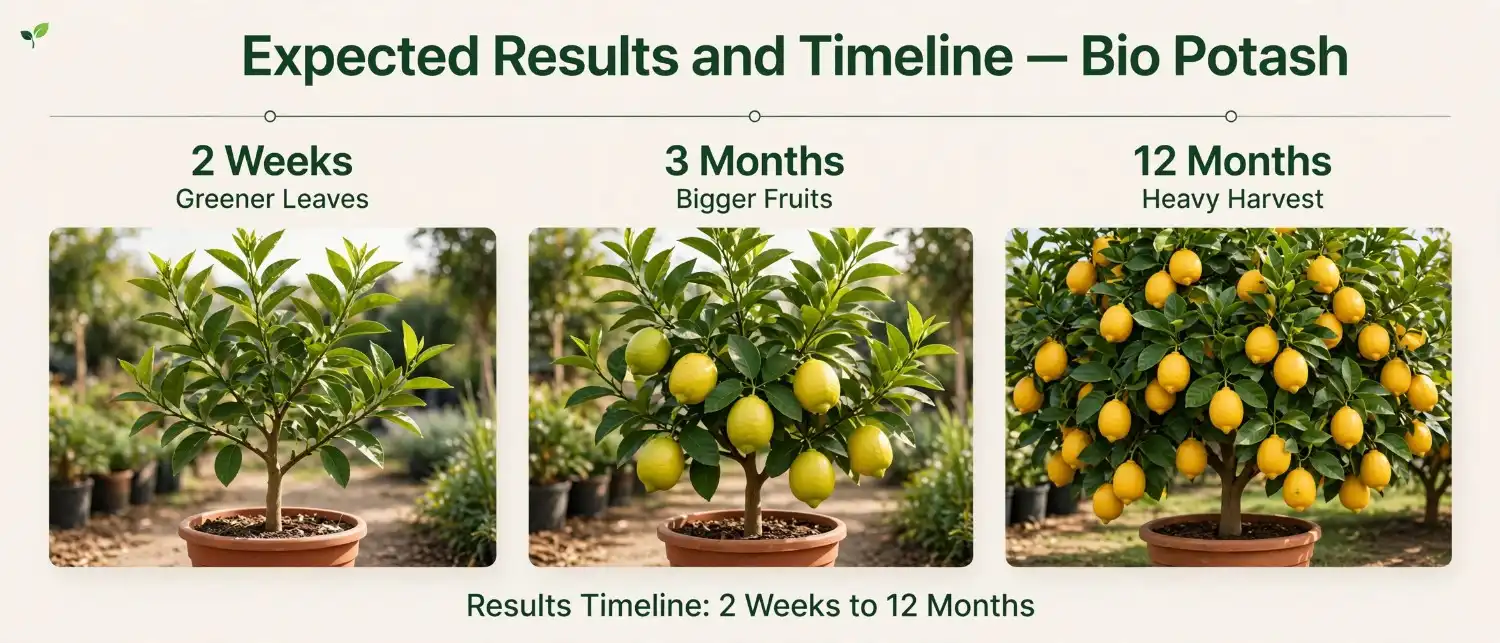
Short-Term Observations (2-4 Weeks)
Within the first month following application, attentive growers may notice:
- Leaf color improvement: Marginal chlorosis on older leaves gradually diminishes as potassium becomes available
- New flush vigor: Emerging shoots appear more robust with darker green coloration
- Flower retention: Improved fruit set percentages, particularly in trees previously showing deficiency
- Soil biological activity: Increased earthworm presence and soil aggregation in treated areas
These early indicators primarily reflect the water-soluble potassium fraction. The organic-bound portion requires additional time for microbial mineralization.
Medium-Term Outcomes (1-3 Months)
As microbial populations colonize the applied organic matrix, more substantial changes become evident:
- Fruit size increase: Developing fruits show measurable diameter growth, typically 10-15% larger than untreated controls
- Peel quality: Thicker, more textured peel with enhanced oil gland prominence
- Juice parameters: Higher total soluble solids (TSS) readings on refractometer testing
- Tree canopy density: Improved leaf retention and reduced premature senescence
- Root system response: Enhanced fine root proliferation in the fertilized zone
Field trials conducted in Amravati district, Maharashtra, documented 12-18% increases in average fruit weight and 0.5-1.0 degree Brix improvements in juice TSS following two consecutive growing seasons of bio potash application.
Long-Term Benefits (6-12 Months)
The full advantages of transitioning to bio potash emerge over annual cycles:
- Soil structure improvement: Enhanced aggregate stability, water infiltration rates, and aeration
- Microbial diversity: Increased populations of phosphate-solubilizing bacteria, nitrogen-fixing organisms, and beneficial fungi
- Reduced chemical dependency: Diminishing need for synthetic potassium supplements as soil reserves build
- Sustained yield stability: More consistent annual production with reduced biennial bearing tendency
- Fruit marketability: Improved shelf life, reduced physiological disorders, and premium pricing potential
- Carbon sequestration: Measurable contributions to soil organic carbon accumulation
A three-year comparative study in Gujarat’s citrus belt demonstrated that orchards transitioning from chemical to bio potash maintained equivalent yields while reducing total fertilizer expenditure by 15-20% and improving soil organic carbon content by 0.3-0.5%.
Bio Potash vs Chemical Potash: A Comparative Analysis
Understanding the relative merits of different potassium sources enables informed decision-making for bio potash for lemon tree management programs.
| Parameter | Bio Potash (PDM) | Muriate of Potash (MOP) | Sulfate of Potash (SOP) |
|---|---|---|---|
| Potassium Content (K2O) | 10-14% | 60% | 50% |
| Organic Matter Contribution | 25-35% | None | None |
| Soil pH Impact | Slightly buffering | Acidifying over time | Neutral to slightly acidic |
| Salt Index | Very low | High (116) | Moderate (46) |
| Microbial Support | Enhances populations | Often suppresses beneficial microbes | Minimal impact |
| Leaching Potential | Low (slow release) | High (rapidly soluble) | Moderate |
| Chloride Content | Negligible | 47% Cl (toxic to sensitive crops) | <2% Cl |
| Application Frequency | Multiple splits | Fewer applications needed | Fewer applications needed |
| Cost per kg K2O | Lower effective cost | Higher per unit nutrient | Highest per unit nutrient |
| Soil Health Impact | Positive (builds organic matter) | Neutral to negative | Neutral |
| Carbon Footprint | Low (waste upcycling) | High (mining and processing) | Moderate |
| Compatibility with Organic Certification | Fully compatible | Not permitted | Conditionally permitted |
When to Choose Bio Potash
Bio potash emerges as the superior choice when:
- Building long-term soil fertility is a priority
- Organic or residue-free certification is desired
- Soil salinity or sodicity concerns exist
- Drip irrigation systems require low-salt fertilizers
- Sustainable farming practices align with farm goals
- Cost-effectiveness over multi-year horizons matters
When Chemical Potash May Supplement
In specific scenarios, limited chemical potash may complement bio potash:
- Correcting severe acute deficiencies requiring rapid response
- Sandy soils with high leaching potential during monsoon
- High-value export-oriented production demanding maximum fruit size
However, even in these cases, a foundation of bio potash with targeted chemical supplementation typically outperforms exclusive chemical programs over extended periods.
Common Mistakes to Avoid
Even well-intentioned bio potash for lemon tree programs can underperform when growers commit these avoidable errors:
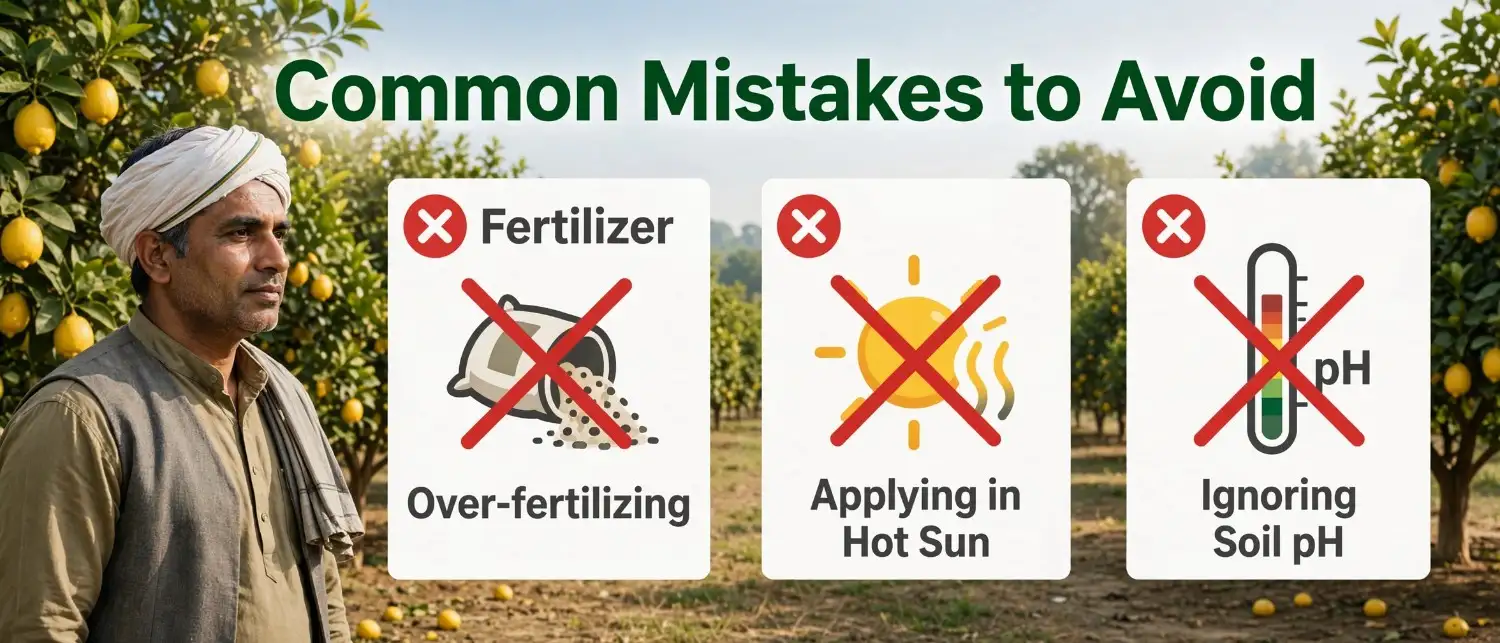
Mistake 1: Excessive Application
More is not always better. Over-application creates potassium imbalances that antagonize magnesium and calcium uptake, inducing deficiencies of these secondary nutrients. Stick to recommended doses and adjust based on tissue analysis rather than intuition.
Mistake 2: Poor Timing
Applying bio potash during peak summer (May-June) when soil temperatures exceed 35 degrees C and moisture is scarce dramatically reduces microbial mineralization efficiency. Similarly, monsoon-season applications on unprotected slopes risk surface runoff losses.
Mistake 3: Ignoring Soil pH
Bio potash performs optimally in soils with pH 6.0-7.5. In highly acidic soils (common in northeastern India), potassium availability decreases regardless of application rate. Address pH limitations through liming before expecting full bio potash benefits.
Mistake 4: Inadequate Irrigation
Bio potash requires moisture for dissolution and microbial activity. Applications followed by prolonged dry spells waste fertilizer potential. Always ensure adequate post-application irrigation, particularly in arid regions.
Mistake 5: Mixing with Incompatible Chemicals
Never mix bio potash with strong acids, oxidizing agents, or certain pesticides in solution tanks. These combinations can destroy beneficial organic compounds and reduce fertilizer efficacy.
Mistake 6: Neglecting Other Nutrients
Potassium does not work in isolation. Trees require balanced nitrogen, phosphorus, magnesium, and micronutrient supplies. Bio potash should complement, not replace, comprehensive plant nutrition programs.
Mistake 7: Inconsistent Application
Sporadic or skipped applications undermine the cumulative soil-building benefits of bio potash. Consistency across seasons and years generates superior results compared to intermittent heavy applications.
Expert Tips for Maximum Effectiveness
Drawing from agronomists, experienced citrus growers, and research institutions, these advanced strategies optimize bio potash for lemon tree outcomes:
Tip 1: Combine with Beneficial Microbes
Inoculate bio potash applications with potassium-solubilizing bacteria (KSB) such as Bacillus mucilaginosus or Frateuria aurantia. These organisms accelerate organic potassium mineralization and extend nutrient availability windows. Commercial KSB formulations are increasingly available from Indian biofertilizer manufacturers.
Tip 2: Synergize with Vermicompost
Mixing bio potash with vermicompost at a 1:5 ratio before application creates an ideal delivery matrix. Vermicompost provides additional microbial inoculum, enzymes, and growth-promoting substances that enhance potassium uptake efficiency.
Tip 3: Monitor Leaf Potassium Levels
Conduct annual leaf tissue analysis during the standard sampling window (4-6 month old spring flush leaves, non-fruiting terminals). Maintain leaf potassium concentrations between 1.0-1.5% dry weight. Levels below 0.8% indicate deficiency requiring increased application.
Tip 4: Time with Moon Phases (Traditional Wisdom)
While lacking rigorous scientific validation, many experienced Indian growers report superior results applying fertilizers during waxing moon phases, particularly 2-5 days before full moon. This traditional practice aligns with perceived sap flow patterns and may warrant experimentation.
Tip 5: Protect from UV Degradation
When storing bio potash before application, keep bags in cool, dry, shaded locations. Prolonged sun exposure can degrade organic compounds and reduce microbial viability in the product.
Tip 6: Integrate with Mulching Systems
Organic mulches (paddy straw, sugarcane trash, or composted coir pith) applied over bio potash-treated zones create favorable microclimates that accelerate decomposition and reduce moisture fluctuations.
Tip 7: Document and Compare
Maintain detailed records of application dates, doses, weather conditions, and tree responses. Mark 3-5 representative trees per block for systematic observation. Photographic documentation of canopy development, flowering intensity, and fruit quality provides invaluable feedback for refining future programs.
Soil Testing and Nutrient Monitoring
Precision agriculture principles apply equally to organic fertilizer management. Before initiating or modifying any bio potash for lemon tree program, comprehensive soil testing provides the foundation for evidence-based decision making.
Recommended Soil Analysis
| Test Parameter | Critical Level | Deficient if Below |
|---|---|---|
| Available Potassium (NH4OAc extractable) | 150-250 kg/ha | <120 kg/ha |
| Soil Organic Carbon | 0.75-1.5% | <0.5% |
| Soil pH | 6.0-7.5 | <5.5 or >8.5 |
| Electrical Conductivity | <2.0 dS/m | >4.0 dS/m |
| Cation Exchange Capacity | 15-25 cmol/kg | <10 cmol/kg |
| Exchangeable Magnesium | 50-100 kg/ha | <25 kg/ha |
| Exchangeable Calcium | 500-1000 kg/ha | <200 kg/ha |
Leaf Tissue Analysis Standards
For lemon trees, sample the third-to-fifth leaf from the tip of non-fruiting spring flush branches during July-August (post-monsoon). Critical nutrient ranges include:
| Nutrient | Deficient | Optimum | Excess |
|---|---|---|---|
| Nitrogen (%) | <2.2 | 2.5-3.0 | >3.5 |
| Phosphorus (%) | <0.10 | 0.12-0.18 | >0.30 |
| Potassium (%) | <0.80 | 1.0-1.5 | >2.0 |
| Calcium (%) | <1.5 | 2.0-4.0 | >6.0 |
| Magnesium (%) | <0.25 | 0.30-0.60 | >1.0 |
| Iron (ppm) | <50 | 60-120 | >200 |
| Zinc (ppm) | <20 | 25-50 | >100 |
When leaf potassium falls below 0.8%, increase bio potash application by 25-30% in the subsequent season. Conversely, levels exceeding 2.0% suggest over-fertilization; reduce doses and investigate potential antagonism with magnesium or calcium.
Testing Frequency
- Soil testing: Every 2-3 years for established orchards; annually for new plantings or problem areas
- Leaf tissue analysis: Annually during consistent phenological windows
- Fruit quality testing: Quarterly for commercial operations tracking market specifications
The Indian government’s Soil Health Card scheme provides subsidized testing through district agriculture offices, making regular monitoring economically accessible for smallholder farmers.
Integration with Organic Farming Practices
Bio potash for lemon tree management achieves maximum impact when embedded within comprehensive organic farming systems. Isolated organic fertilizer use without supporting practices yields suboptimal results.
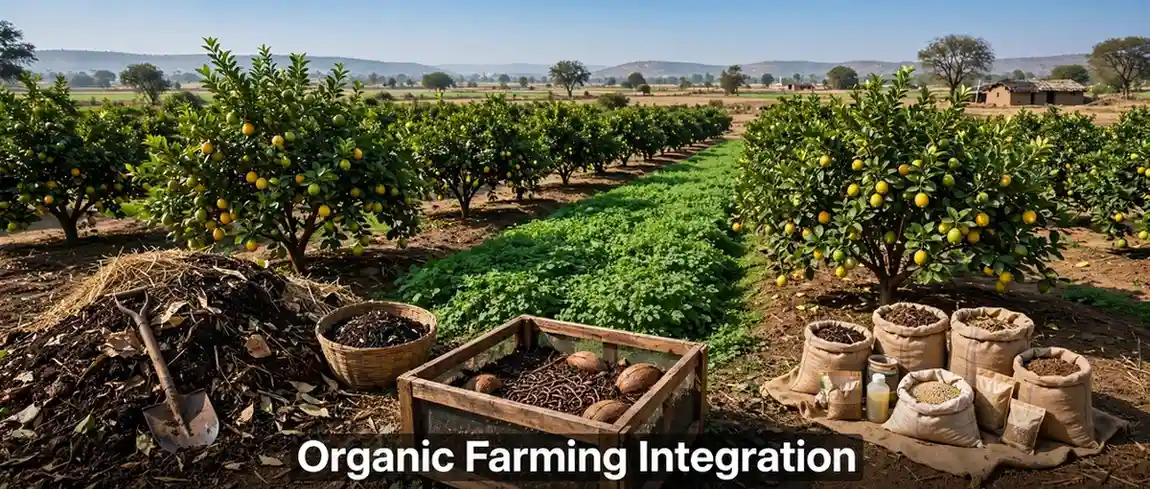
Composting and Vermicomposting
On-farm compost production using orchard prunings, fallen leaves, and agricultural residues creates synergies with purchased bio potash:
- Compost provides diverse microbial inoculum that colonizes bio potash organic matter
- Stable humus complexes protect applied potassium from fixation in clay soils
- Regular compost applications maintain the soil organic carbon levels necessary for bio potash efficacy
Target annual compost application rates of 10-20 kg per tree for young trees and 30-50 kg per tree for mature specimens.
Green Manuring
Intercropping lemon orchards with leguminous green manure crops (sun hemp, dhaincha, or cowpea) during monsoon months delivers multiple benefits:
- Nitrogen fixation reduces synthetic nitrogen requirements
- Root exudates stimulate microbial diversity
- Biomass incorporation adds organic matter that supports bio potash mineralization
- Living mulch reduces weed competition and soil erosion
Sow green manure seeds between tree rows in June-July and incorporate biomass 45-60 days later, timing incorporation 2-3 weeks before bio potash application for maximum synergy.
Biofertilizer Combinations
Strategic combinations of bio potash with other microbial inoculants create additive effects:
| Biofertilizer | Function | Application Timing |
|---|---|---|
| Azotobacter/Azospirillum | Nitrogen fixation | With bio potash, pre-monsoon |
| Phosphate-solubilizing bacteria | Phosphorus availability | With bio potash, at planting |
| Potassium-solubilizing bacteria | K mineralization | Mixed with bio potash |
| Mycorrhizal fungi | Phosphorus uptake, drought tolerance | Root zone at planting |
| Trichoderma | Disease suppression | With compost, pre-monsoon |
Pest Management Integration
Organic potassium nutrition strengthens tree defenses against common lemon pests including citrus psylla, leaf miners, and fruit-sucking moths. However, bio potash alone does not replace integrated pest management. Combine with:
- Neem-based botanical pesticides for soft-bodied insects
- Pheromone traps for fruit fly monitoring
- Conservation of natural enemies (lady beetles, lacewings, parasitic wasps)
- Yellow sticky traps for aphid and whitefly monitoring
Cost Analysis and Economic Viability
For commercial lemon growers, bio potash for lemon tree adoption must demonstrate economic returns. Current Indian market conditions favor bio potash on multiple financial metrics.
Comparative Cost Structure (Per Hectare, Annual)
| Input | Chemical MOP Program | Bio Potash Program | Notes |
|---|---|---|---|
| Potassium fertilizer | Rs. 8,000-12,000 | Rs. 6,000-9,000 | Bio potash lower per effective K2O unit |
| Nitrogen supplement | Rs. 10,000-15,000 | Rs. 8,000-12,000 | Reduced N need with organic sources |
| Soil amendments | Rs. 3,000-5,000 | Rs. 2,000-3,000 | Less liming needed with bio potash |
| Labor (application) | Rs. 4,000-6,000 | Rs. 5,000-7,000 | More splits, slightly higher labor |
| Total fertilizer cost | Rs. 25,000-38,000 | Rs. 21,000-31,000 | 10-20% savings with bio potash |
Revenue Impact
| Parameter | Chemical Program | Bio Potash Program | Difference |
|---|---|---|---|
| Average yield (kg/tree) | 80-100 | 85-110 | +5-10% |
| Premium grade fruit (%) | 55-65% | 65-75% | +10% |
| Market price (Rs/kg) | 25-35 | 28-40 (organic premium) | +10-15% |
| Post-harvest loss (%) | 12-18% | 8-12% | -4-6% |
| Net revenue per hectare | Rs. 3,50,000-5,00,000 | Rs. 4,20,000-6,50,000 | +15-25% |
Break-Even Analysis
For a typical 1-hectare lemon orchard (250 trees):
- Additional investment in bio potash program: Rs. 5,000-8,000 annually
- Additional revenue from improved quality/yield: Rs. 70,000-1,50,000 annually
- Return on additional investment: 8:1 to 20:1
- Payback period for transition costs: Immediate (first season)
These figures assume market access for premium fruit. Growers selling through conventional wholesale channels may see smaller price premiums but still benefit from reduced input costs and improved yield stability.
Government Support
Indian government schemes supporting organic transition include:
- Paramparagat Krishi Vikas Yojana (PKVY) – subsidy for organic certification
- National Mission on Sustainable Agriculture (NMSA) – soil health management support
- Mission Organic Value Chain Development (MOVCDNER) – northeastern state support
- State-specific organic farming incentives (Maharashtra, Gujarat, Sikkim leading)
Eligible growers can offset 25-50% of transition costs through these programs, further improving bio potash economics.
Frequently Asked Questions
What is bio potash fertilizer for lemon trees?
Bio potash fertilizer for lemon trees is an organic potassium source, typically derived from molasses (PDM – Potash Derived from Molasses), that provides essential potassium nutrition through both immediately available and slow-release mechanisms. Unlike chemical potash, it contains 25-35% organic carbon that improves soil structure, supports beneficial microbial populations, and enhances long-term soil fertility while delivering the potassium necessary for flowering, fruit development, and tree vigor.
How much bio potash should I apply per lemon tree?
For mature bearing lemon trees (4+ years), apply 400-800 grams of bio potash annually, divided into 3-4 split applications timed to pre-flowering, fruit development, post-harvest recovery, and winter preparation phases. Young trees require proportionally less: 100-150 grams in year one, increasing to 400-500 grams by year three. Always adjust based on soil test results, leaf tissue analysis, and observed tree response.
When is the best time to apply bio potash to lemon trees in India?
The optimal application schedule for Indian conditions includes: (1) Pre-flowering (February-March) at 60-80g per mature tree; (2) Fruit-setting phase (April-May) split into two 40-50g applications; (3) Post-harvest recovery (August-September) at 80-100g per tree; and (4) Light winter application (November-December) at 30-40g per tree. Timing varies slightly by region – advance schedules by 2-3 weeks in southern states and delay similarly in northern regions.
Can I use bio potash with chemical fertilizers?
Yes, bio potash integrates effectively with reduced-dose chemical fertilizer programs. Many growers successfully use bio potash as the primary potassium source while maintaining 30-50% of previous nitrogen and phosphorus chemical inputs. Avoid mixing bio potash directly in solution with strong acids or certain pesticides. Apply bio potash and chemical fertilizers separately, ideally 7-14 days apart, to prevent chemical suppression of beneficial microbes.
How long does bio potash take to show results on lemon trees?
Initial responses become visible within 2-4 weeks as water-soluble potassium addresses acute deficiencies. Substantial improvements in fruit size, juice quality, and tree vigor typically manifest after 1-3 months as microbial mineralization releases organic-bound potassium. Long-term soil health benefits – including improved structure, water retention, and microbial diversity – develop over 6-12 months of consistent application. Maximum benefits accrue after 2-3 years of sustained bio potash use.
Is bio potash safe for organic lemon farming certification?
Yes, molasses-derived bio potash (PDM) qualifies for organic certification under NPOP (National Programme for Organic Production) and APEDA guidelines, provided the manufacturing process does not involve prohibited synthetic chemicals. Always verify supplier certification documentation and request organic input approval certificates before procurement. Uwike’s bio potash products meet organic certification standards for Indian and export-oriented organic lemon production.
What are the signs of potassium deficiency in lemon trees?
Potassium deficiency manifests first on older leaves as yellowing (chlorosis) along margins and between veins, progressing to brown necrotic tissue at leaf edges. Affected leaves may curl downward and exhibit scorched appearance. Trees show reduced flowering, smaller fruits with thin peels, lower juice content, and increased susceptibility to drought stress and disease. In severe cases, twig dieback and overall tree decline occur. Leaf tissue analysis confirming potassium levels below 0.8% dry weight provides definitive diagnosis.
Can bio potash replace all chemical fertilizers for lemon trees?
While bio potash effectively replaces chemical potassium sources, complete elimination of all chemical inputs requires comprehensive soil building over 2-3 years. Most successful transitions maintain reduced chemical nitrogen and phosphorus (30-50% of previous rates) during the initial phase while soil biology adapts. As soil organic matter accumulates and microbial nutrient cycling intensifies, chemical dependency progressively decreases. Fully organic lemon production is achievable with patient system development and adequate organic matter inputs.
How should I store bio potash fertilizer?
Store bio potash in original packaging or airtight containers in cool, dry, shaded locations. Ideal storage conditions: temperature below 30 degrees C, relative humidity below 60%, and protection from direct sunlight. Properly stored bio potash maintains efficacy for 12-18 months. Avoid storing near strong chemicals, acids, or pesticides. Check for caking before use – slight caking does not affect performance but may require gentle breaking before application.
Where can I buy quality bio potash for my lemon orchard in India?
Quality bio potash is available through agricultural input dealers, fertilizer cooperatives, and direct from manufacturers across major Indian states. When sourcing, verify: potassium content certification (10-14% K2O), organic input approval for certified operations, manufacturing date, and moisture specifications. For reliable supply, competitive bio potash 50 kg price, and technical support tailored to lemon cultivation, explore Uwike’s specialized bio potash formulations designed specifically for Indian citrus growers.
Conclusion
The evidence overwhelmingly supports integrating bio potash for lemon tree management into Indian citrus cultivation practices. From the potassium-rich soils of Maharashtra to the acidic red laterites of Karnataka, molasses-derived bio potash delivers measurable improvements in fruit quality, tree health, soil fertility, and farm profitability when applied with proper timing, dosage, and technique.
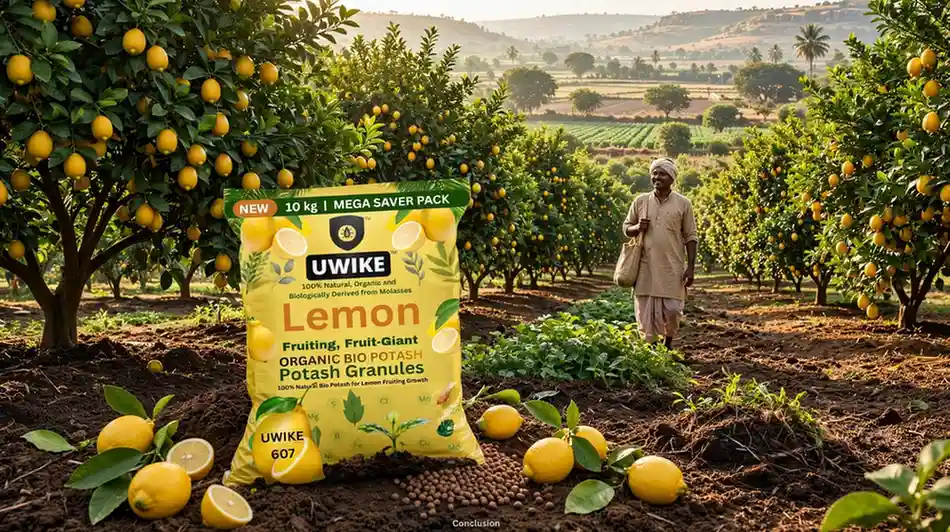
Success requires moving beyond simple product substitution toward systems-level thinking. Bio potash works most effectively within organic matter-rich soils, supported by beneficial microbial communities, and complemented by balanced nutrition programs. Growers who embrace this integrated approach position themselves advantageously for evolving market demands – including the rapidly expanding organic and residue-free citrus segments – while building resilient orchards capable of withstanding climate variability.
The transition from chemical-dependent to biologically-based potassium nutrition represents not merely an input change but a philosophical commitment to regenerative agriculture. For Indian lemon growers seeking sustainable productivity, improved fruit quality, and enhanced soil health, bio potash derived from molasses offers a scientifically validated, economically viable, and environmentally responsible pathway forward.
Ready to transform your lemon orchard’s productivity and soil health? and discover how Uwike’s plant nutrition expertise can support your journey toward sustainable citrus cultivation. Whether you manage a backyard lemon tree or a commercial plantation, our team provides the technical guidance and quality inputs needed to maximize your harvest potential while preserving soil fertility for future generations.
Explore our Bio Potash Natural Fertilizer for Lemon Fruiting →